Gather this Information Before Purchasing a TMR Mixer
Selecting the appropriate Total Mixed Ration (TMR) Vertical Mixer for your operation requires preparation. Farm layouts and herd rations are not a one-size-fits-all. Because your operation and ration is unique to your situation, make sure your investment meets your feeding needs and works for your set-up.
Grab your laptop or paper and pen and start making notes based on these criteria. While not all-inclusive, this information will be helpful to equipment representatives when you start talking about TMR Vertical Mixers.
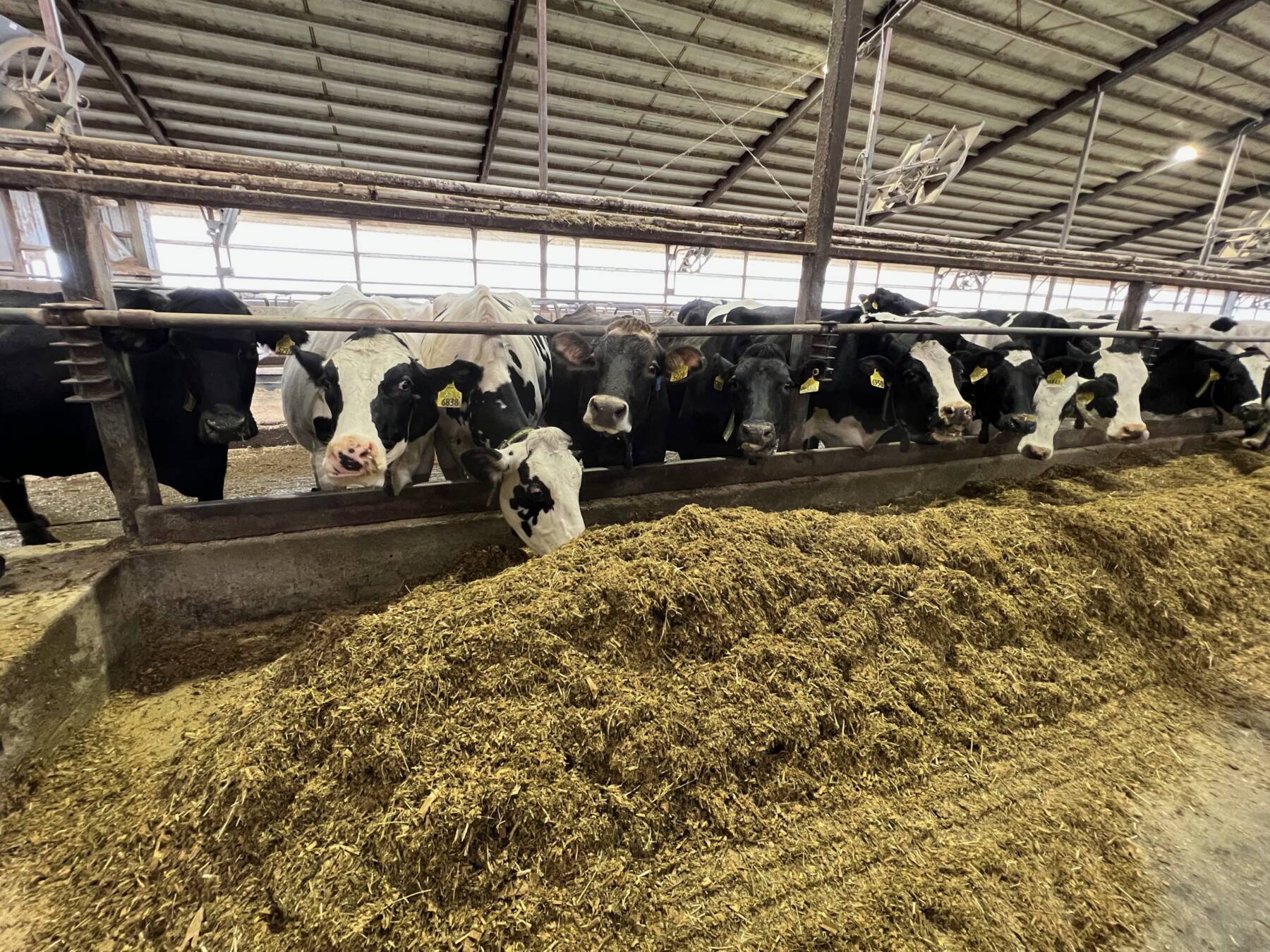
HERD SIZE
 In addition to the obvious question, “What is your herd size?”, it’s also helpful to note:
- Growth stages and number of animals in each stage
- Number of daily feedings per group
- Plans for herd size expansion
Herd information can seem basic, but it’s helpful to have it written down in black & white. The herd count and number of daily feedings will help determine the size of mixer needed.
Feed is a big operating expense. Having a mixer built for your operation and that can streamline feeding can minimize feed loss and repurpose manpower.
FEED TYPE
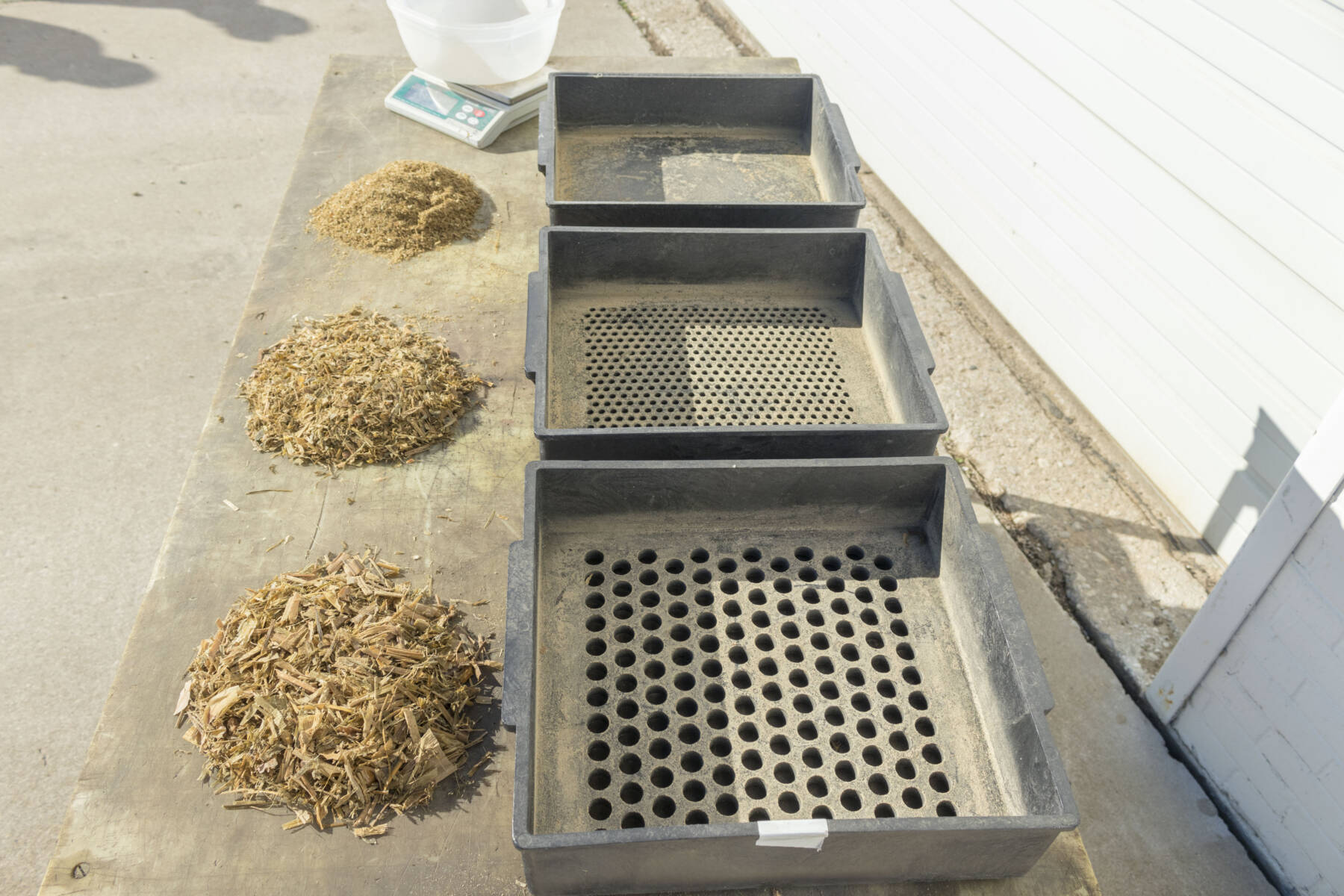
 List the ingredients and amounts that go into your TMR. Identify whether ingredients are loose or baled, round or square bales, wet or dry, and long or short cut. This data will shed light on what shape and number of augers are needed as well as the position and type of knives.
TRACTOR POWER
It’s important that the tractor’s PTO horsepower is compatible to the mixer’s needs. The power requirements for these two pieces of equipment need to match. If your tractor is underpowered, it will not have the capability to adequately mix the ingredients. This could result in a compromised TMR. To maximize TMR, you want a tractor that has the oomph it needs to deliver a consistent and balanced TMR.
FARM OPERATION LAYOUT
For the most part, barns, buildings and the layout of your farm are permanent. Some of the information discovered here may rule out certain mixers. Be sure to get the answers to these questions before shopping:
Loading. Wh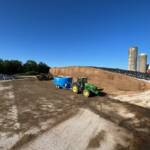 at equipment do you use to load the mixer? What are the capabilities of that equipment – reach, height, load weight, etc.?
Distance. Factor in the distance traveled for feeding and loading. Do you frequently travel between multiple barns or drive to different loading stations?
Terrain. What is the terrain like at your operation? Is the surface hilly or flat? Is the area dry, sandy, or prone to flooding?
Clearance & Maneuverability. Measure barn entrances, feeding alleys, and corners to avoid any surprises and accidents. Is there sufficient clearance for mixer to enter, exit, travel the feeding alleys and discharge feed? Is there ample room for turns?
BUDGET
It’s easy to base decisions on price alone. Look beyond the initial purchase price. Take into consideration the long-term factors, such as operating costs, wear on parts, availability to service and parts, warranty, etc.
IN SUMMARY
Now that you have a good handle on your mixer needs, start talking to Patz representatives to zero in on the mixer that fits your needs.