HOW BALE CHOPPERS ARE BENEFICIAL FOR ZOOS
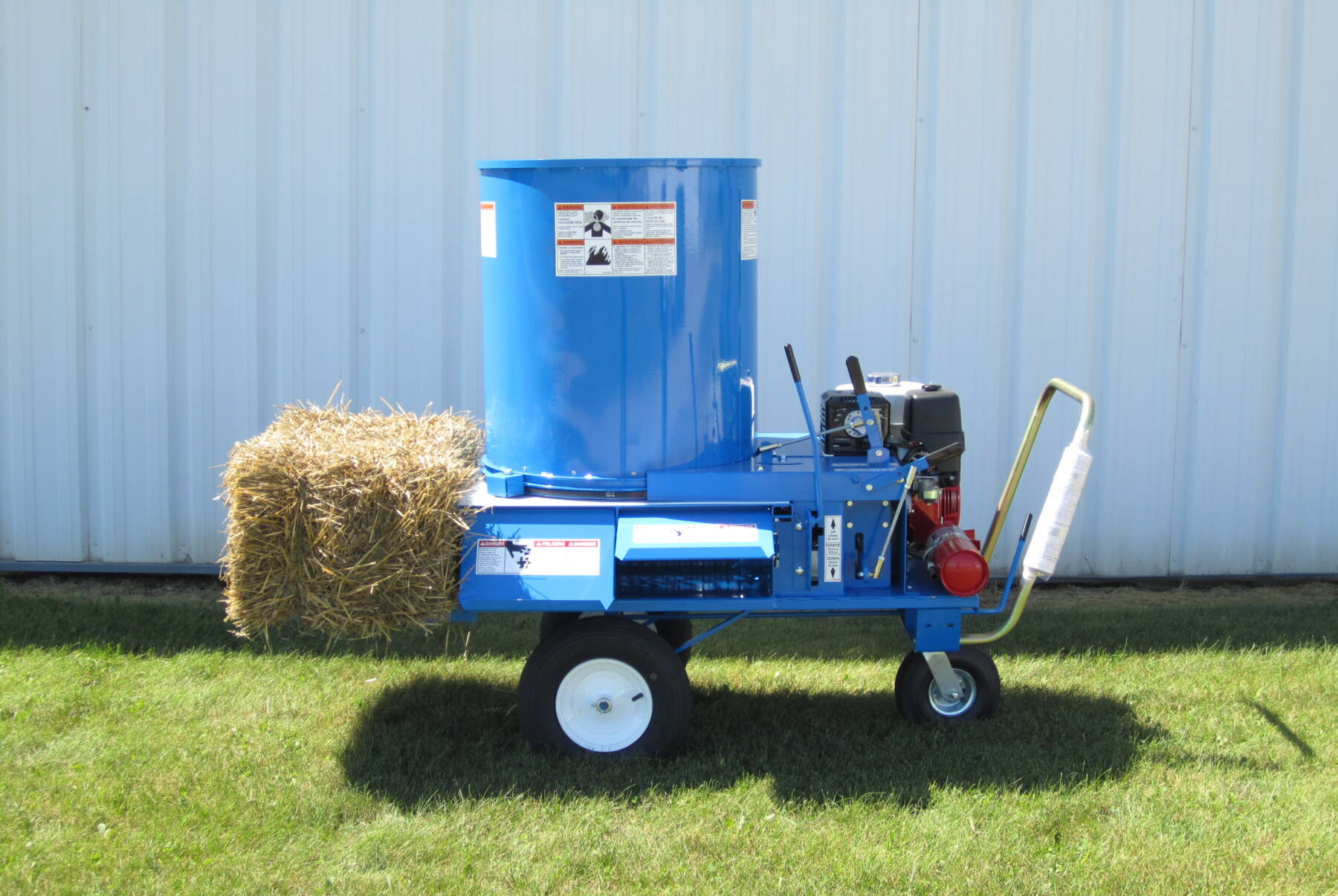
 A family outing to the zoo is an entertaining and educational adventure. Beyond the exhibits and sheer beauty of the animals, zookeepers have a massive undertaking of keeping the animals healthy. Choppers, equipment commonly used on farms, are increasingly being used at zoos to help with feed and habitat management. Let’s take a closer look:
FEEDING
Tailored Nutrition for Every Species
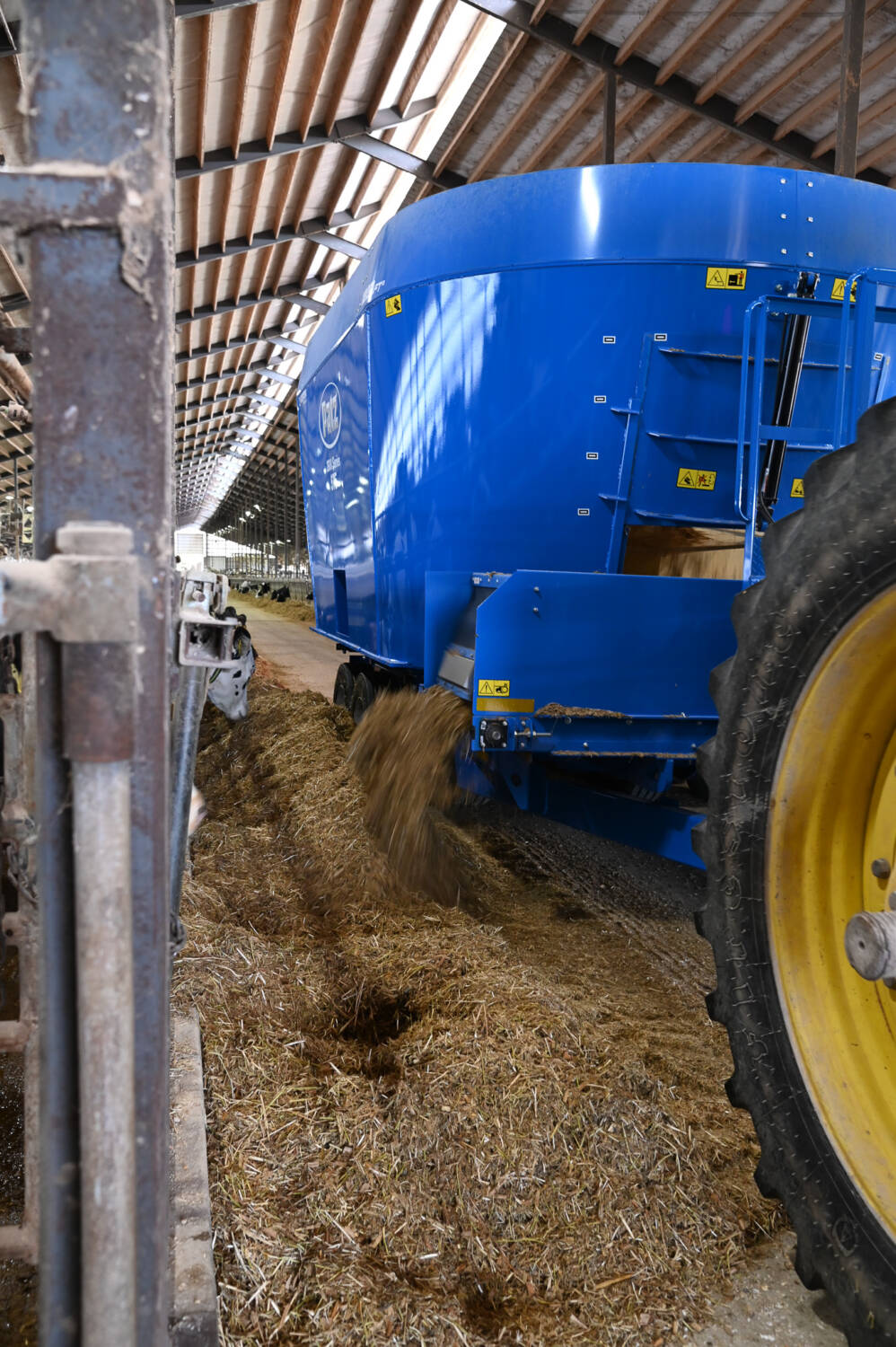
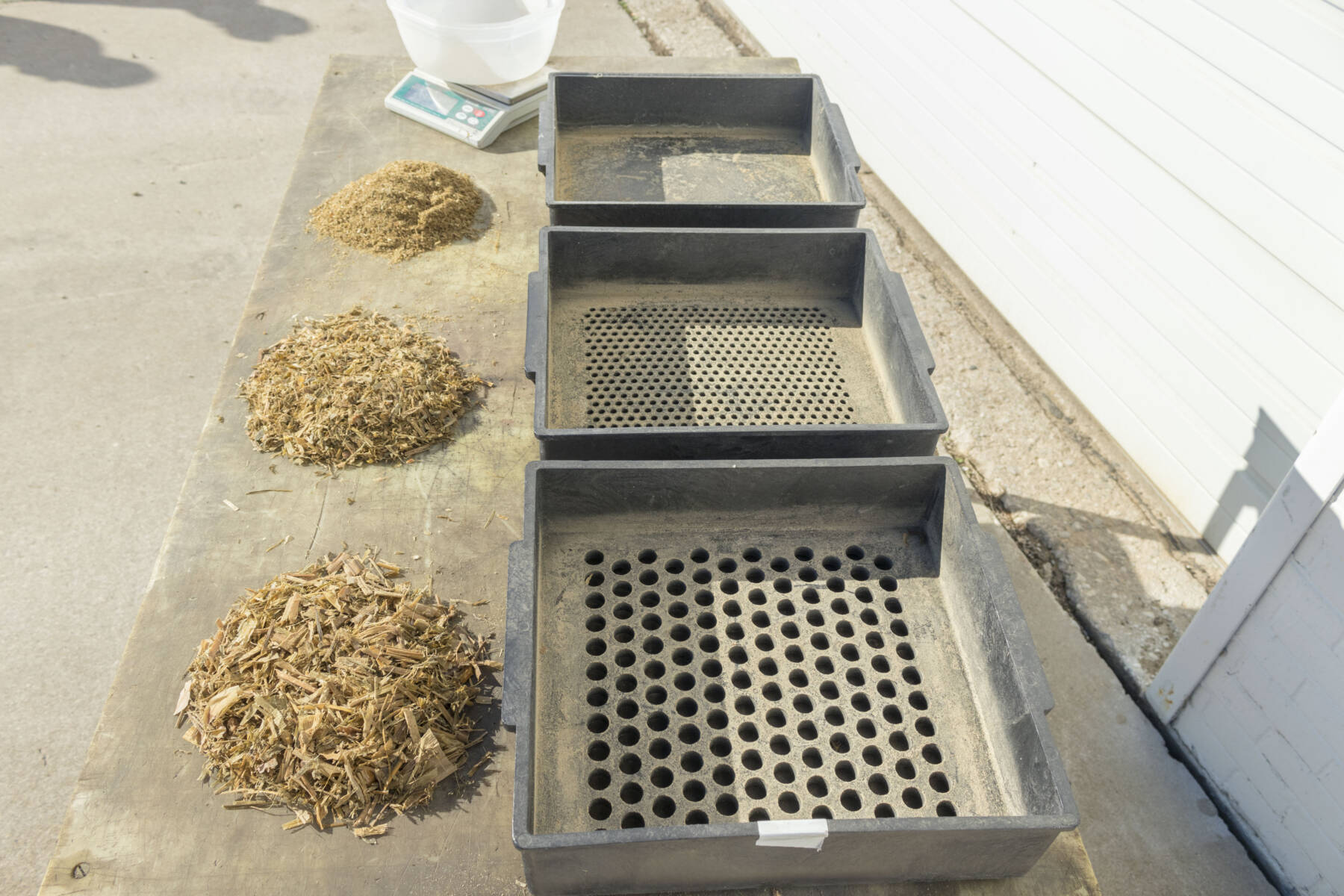
Zoos house a wide variety of species at a wide variety of ages. As you can imagine, digestive requirements differ greatly. Massive older elephants will have a diet very different from a young delicate gazelle. A chopper allows keepers to customize nutrition by chopping forage to specific lengths. Like a Vertical Mixer found on a dairy farm, choppers can process forage into specific lengths and make it more palatable to reduce sorting. This not only helps feed essential vitamins and minerals to animals, but it also reduces food waste.
Lifespan, Specifically in Elephants
 Zoos caring for aging elephants especially find the Chopper beneficial. Under human care, elephants can live into their 50-60’s. They eat about 165-300 pounds (or 4-6% of their body weight) each day. Their diet consists of all types of vegetation. As elephants age, it’s common to see signs of joint arthritis, teeth issues, and loss of skin pigment. Elephants go through 6 sets of molars during their lifetime. In their senior year, this final set of molars become worn down or lost entirely. They struggle to grind down long-stem forage. To make it easier on their teeth, zoos cut down their forage into smaller pieces, making it easier to digest and require less chewing. This is in an effort to maintain necessary nutrition, improve their quality of life, and to extend their lifespan.
Promoting Natural Behaviors
Enrichment is vital for the psychological health of zoo animals. Chopped hay can be used to create “foraging windrows” where food is hidden among the fiber, encouraging animals to spend their day searching and working for their meals as they would in the wild.
HABITAT
Comfort is key to animal welfare. Bale choppers can quickly blow a “fluffy,” uniform layer of straw or hay into enclosures that will contour to their body, providing excellent insulation and nesting material. Because these machines can adjust chop lengths on the fly, keepers can create deeper, more absorbent beds for large mammals or finer substrates for birds and reptiles. Compared to manually shaking and spreading bedding material, using a chopper is efficient and a time saver.
Enhanced Safety: Using a processor to distribute hay from outside a pen significantly reduces the risk of accidents that occur when working in close proximity to large or unpredictable animals.
The Bottom Line
By integrating a chopper into their daily routine, zoos can provide improved animal health and comfortable habitat. In addition to provide quality of life, a chopper can save the zoo time and money in labor and operational costs.