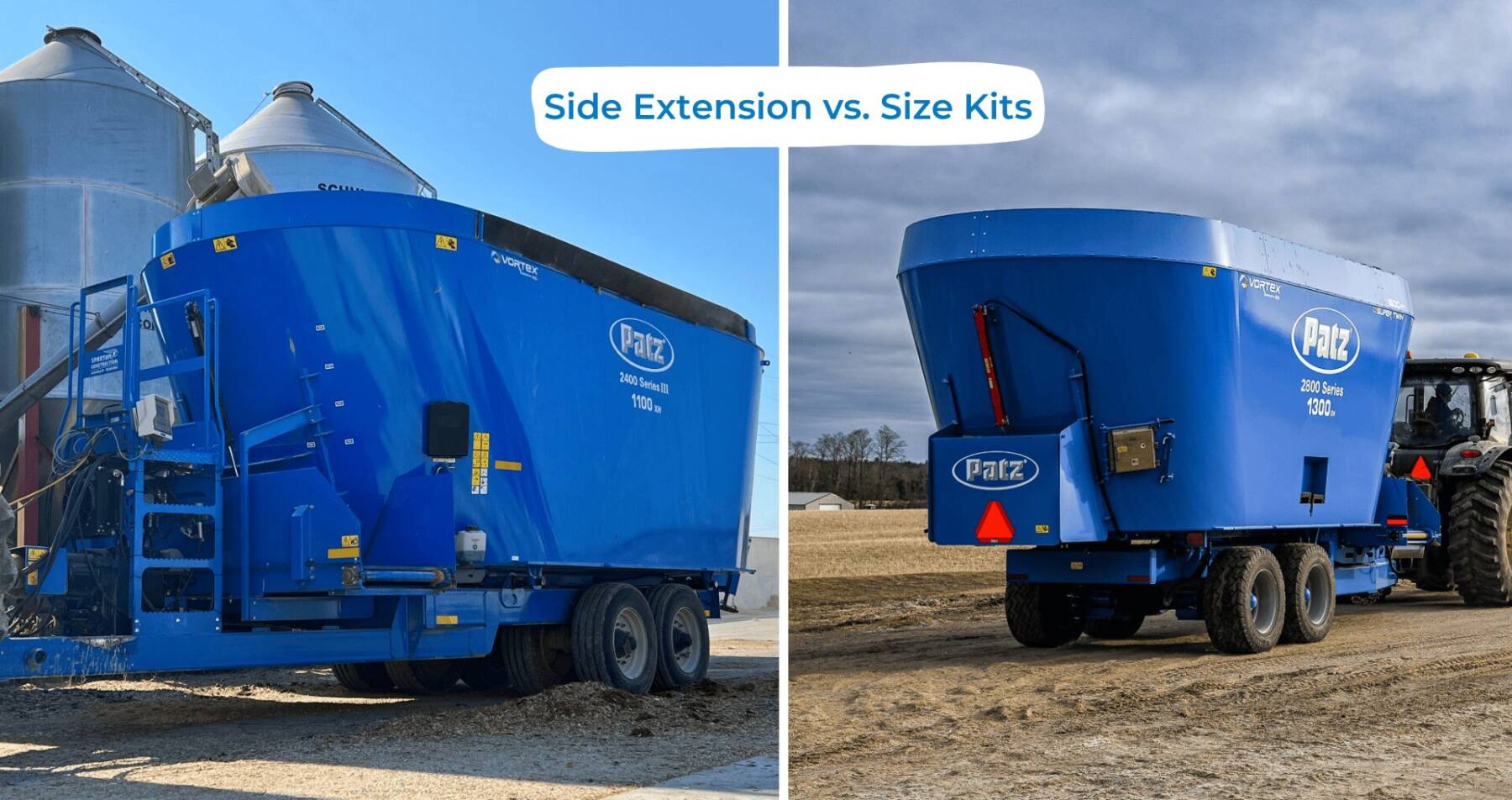
Side Extensions vs. Size Kits
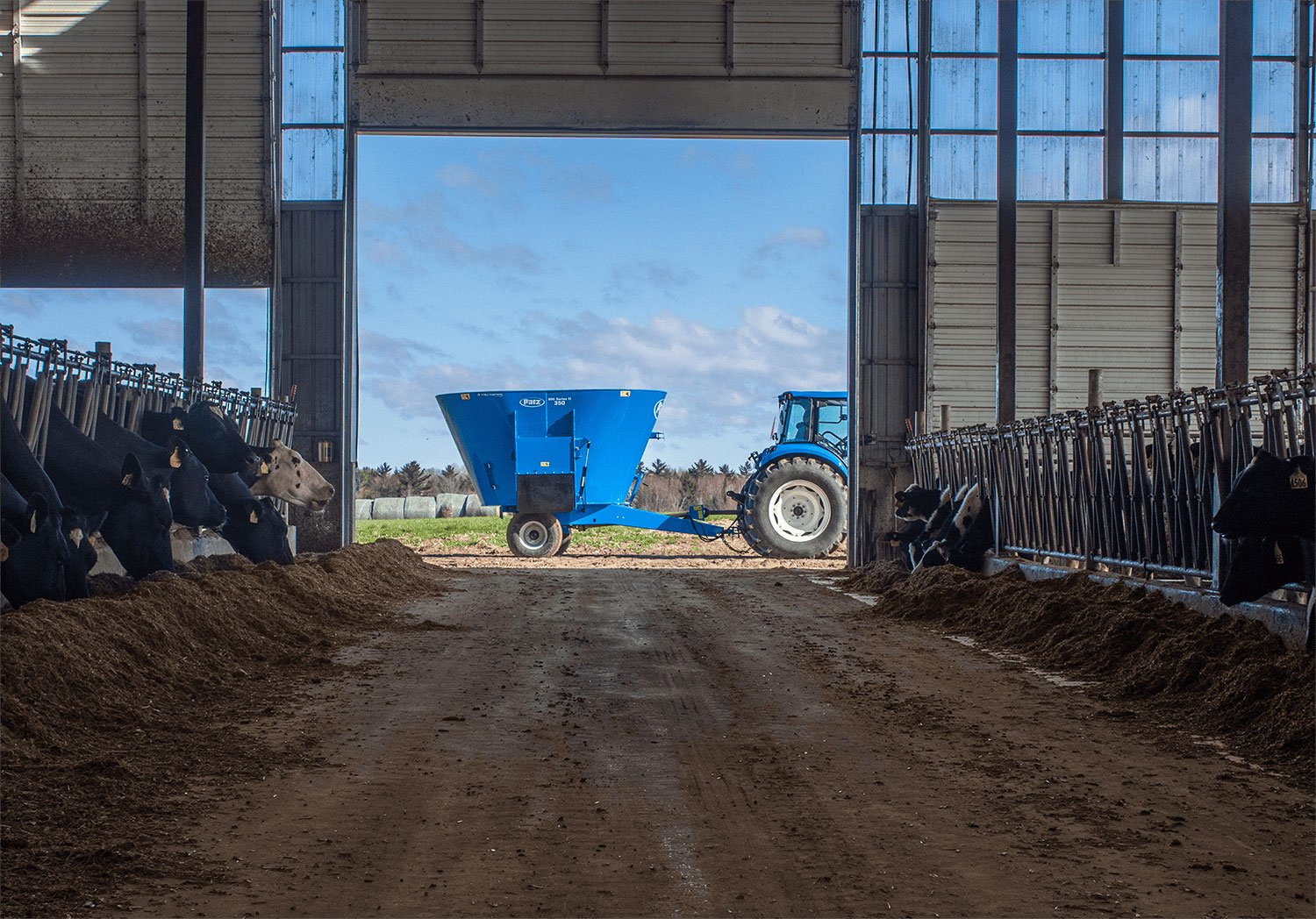
When researching vertical mixers, you may run across two terms that sound like they would be interchangeable: Side Extensions and Size Kits. While they both increase the height of the mixer, that is where the similarities stop. The role and capability of each options differs. Let’s take a closer look at each:
Side extensions: Side extensions raise the height of the mixer wall. It only seems logical that with more height, you can add more volume and weight to the mixer. Fill ‘er up, right? Not so fast. These rubber, steel, or steel/rubber side extensions are optional add-ons for select vertical mixer models. While they add height, they are not engineered to handle increased weight. For example, the 2400 Series III 1100, the weight capacity with or without side extensions stays the same. Side extensions are designed to limit material overflow when utilizing the mixer’s full mixing capacity. Keeping the feed within the mixer tub helps to minimize feed loss and control feed costs.
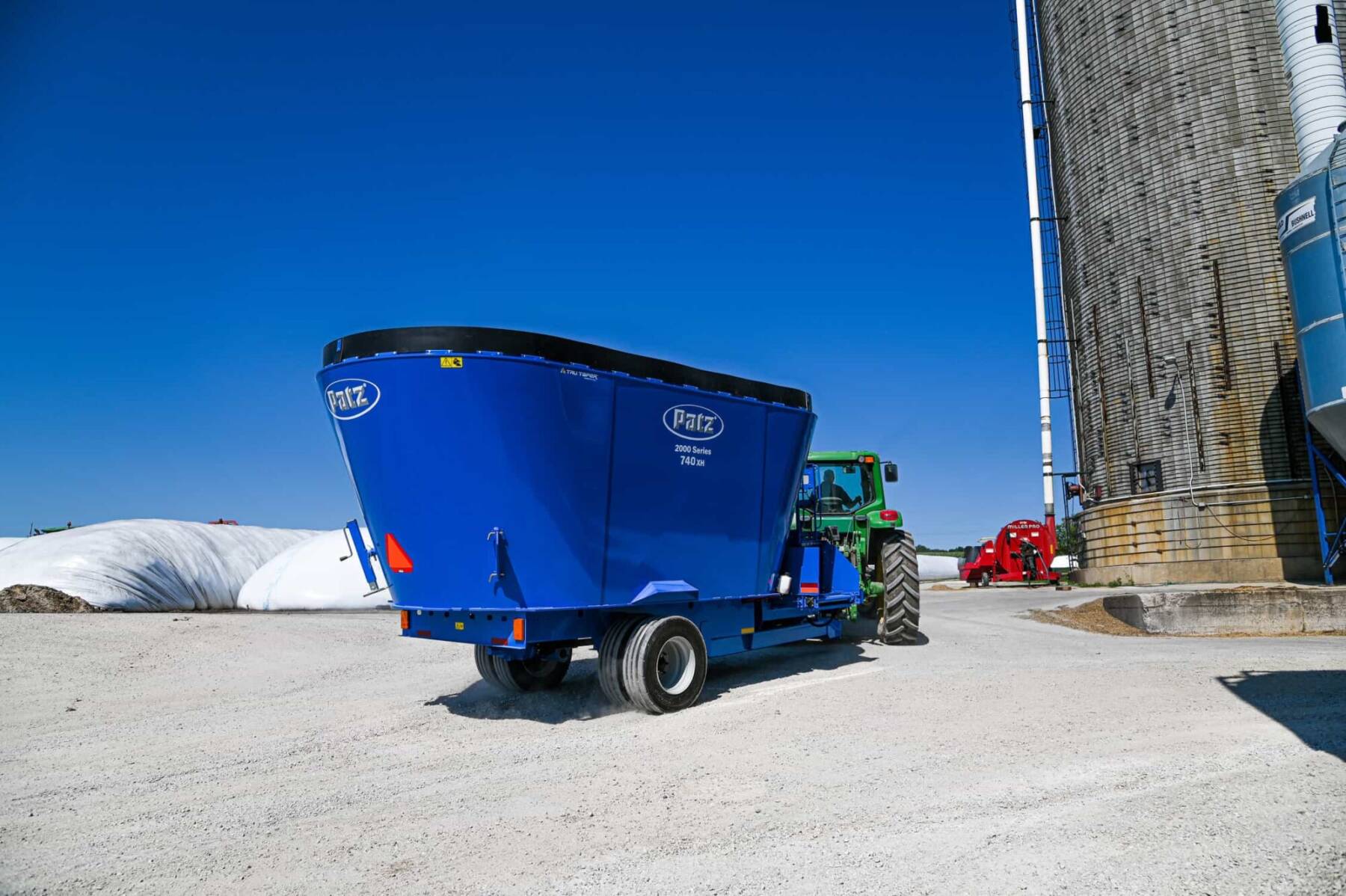
Size kits: Size kits are steel extensions that increase the height of the mixer wall. Size kits are available as add-ons on select base model vertical mixers. More capacity AND weight can be added with size kits. Why can more weight be added? The undercarriage of the base model vertical mixer is engineered to handle the increased weight when a size kit is added. A note of caution: drive packages are specific to the size kit.
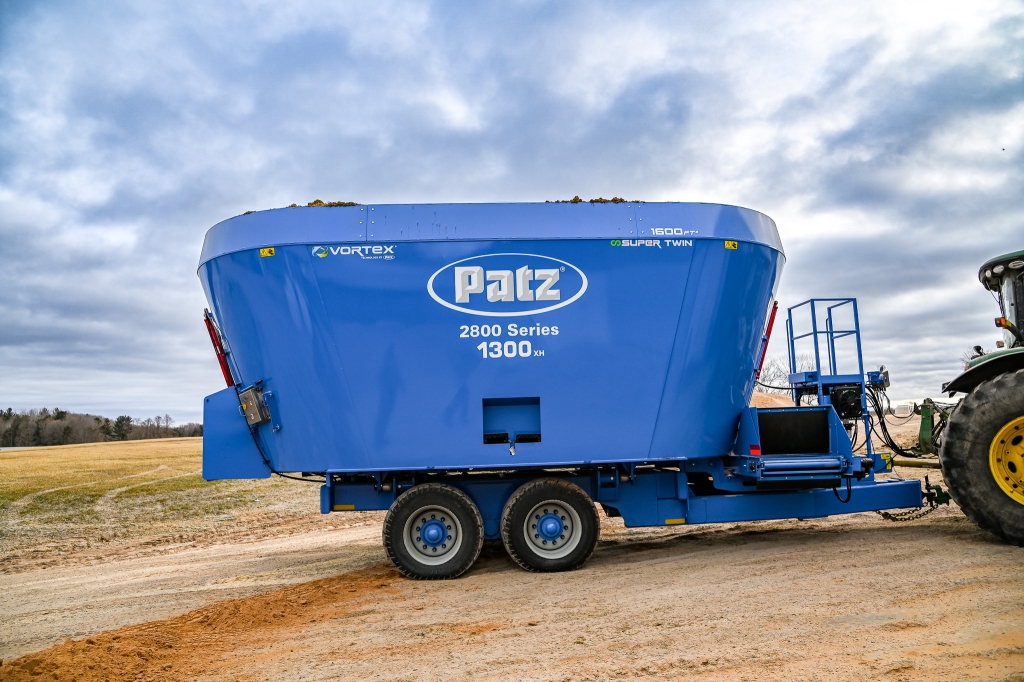
Size kits are a great way to purchase a mixer that can handle your current herd size, while also making a purchase that protects your future when your herd grows. For example, a Patz 2600 Series Vertical Mixer base unit has a 975 cubic foot capacity. With the addition of a size kit, it can increase to 1,115 or 1,220 cubic feet. That same base unit has a weight capacity of 43,975 lbs. The weight capacity can increase to 48,025 and 50,900 with the 1115 and 1220 size kits respectively.
Both side extensions and size kits limit feed overflow on a mixer, helping to control feed costs. The big difference between the two options is that size kits allow for more weight to be added.