The Other Half of Health: Why Mental Well-Being Matters
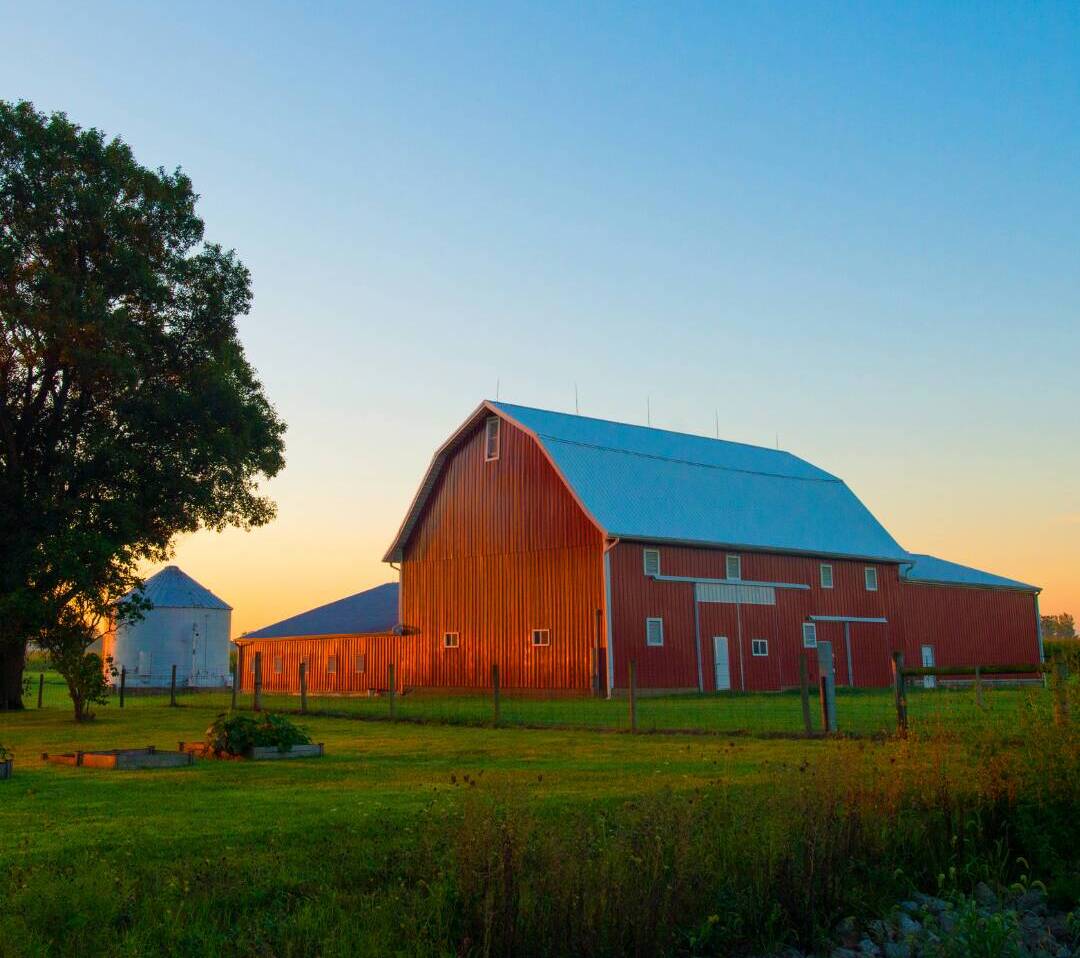
Farms are the very essence of Americana. But if you zoom in past the iconic red barns and pastures, you can find a farmer carrying an incredibly heavy load.
Today’s dairy farmers face a stress non-stop. They juggle unpredictable weather, volatile milk prices, expensive equipment maintenance, long days, and the weight of legacy expectations. National Farm Safety & Health Week is recognized in September. While physical safety on the job is critical, this article focuses on the “Health” portion of that equation—specifically, mental well-being and stress.
According to the Centers for Disease Control and Prevention (CDC), people working in the agricultural industry are three times more likely to die by suicide than the general population. That number is worrisome. Let’s look at why dairy farmers are at greater risk and how they can be better supported.
WHY DAIRY FARMERS ARE AT GREATER RISK
All farming is stressful. Dairy farmers especially face a constant mix of high-risk factors that are beyond their control. Here’s a look at some of the pressure points that cause them stress:
- The Weight of Generational Legacy: Agriculture is rarely just a job; it is a family legacy and personal identity. The thought of “being the generation that lost the farm” creates an unbearable weight of perceived failure.
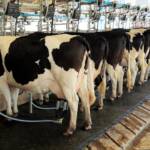
- The 24/7/365 Grind: Dairy cows must be milked every single day—usually two or three times a day. There are no weekends, holidays, or sick days. A demanding schedule like this can quickly lead to chronic sleep deprivation and physical burnout.
- Financial Strain: Fluctuating milk prices, rising feed and fuel costs, machinery repairs, labor, and debt put constant pressure on farm owners and operators.
- Zero Control Over Key Factors: Farmers operate at the mercy of unpredictable weather, sudden climate events, fluctuating commodity pricing, and shifting trade policies.
- Lines Blur Between Home and Work: In farming families, the kitchen table serves a dual purpose – it feeds the family and acts as the central office. Because of this close connection, financial stresses and operational anxiety bleed into home life.
- Hyper-Perishable Product Pressure: Once milk leaves the cow, the clock starts ticking. Farmers cannot store milk in bins for months waiting for market prices to improve. If a processing plant faces delays or supply chain disruptions, dump lines are the devastating reality.
- Emotional Bonds to Livestock: Dairy farmers raise, breed, and care for individual animals across multiple generations. Liquidating a herd due to financial reasons triggers grief – it’s like losing a part of the family.
WARNING SIGNS
Farmers are known to be self-reliant and not to ask for help. Struggles with stress can look different on everyone. Oftentimes they manifest through behavioral, physical, or operational/animal care habits. In addition to actions that are out of the ordinary, here are some common warning signs to look for in yourself, family members, or neighbors:
Behavioral Changes
- Showing uncharacteristic irritability, severe mood swings, verbalizing feelings of worthlessness, outbursts, or a noticeably “short fuse”.
- Persistent sadness, anxiety, numbness, or a feeling of emptiness.
- Giving away prized possessions, abruptly changing a will, or hoarding medication.
- Uncharacteristic changes in substance use, such as a heavier reliance on alcohol to cope.
- Withdrawing from family gatherings, social activities, regular community events, or avoiding routine interactions.
Physical and Cognitive Changes
- Chronically poor sleep patterns, fatigue despite resting.
- Pervasive brain fog, trouble focusing, or difficulty making day-to-day operational decisions.
- Unexplained physical ailments, including tension headaches, chronic muscle pain, or digestive discomfort.
Operation & Animal Care Red Flags
- Neglecting routine farm maintenance, machinery repairs, or basic chores.
- Noticeable decline in herd health. Inconsistent feeding or milking routines could result in unexplained spikes in Somatic Cell Counts (SCC) or drops in components (fat/protein).
- Increased farm accidents and mishaps.
- Ignoring, skipping or rushing critical cleaning and sanitation steps, leading to increased mastitis cases and dirtier facilities.
HOW FAMILY, FRIENDS, AND COMMUNITIES CAN HELP
If you or someone you know is struggling and pushing through the fog of exhaustion and stress, reach out. As a family member, friend, or member of the community, here are some things you can do to support our farmers:
- Show up and listen. Don’t wait to be invited over or for them to reach out. Stop by the farm to say hi or help with the chores. It can be less intimidating to start and have a conversation while you’re doing something and not a formal face-to-face conversation. Sometimes having someone to vent to and having someone listen can make a world of difference.
- Offer Tangible, Practical Relief. We’re all guilty of saying “Call me if you need anything”. Instead, be proactive and offer something specific. That could be delivering dinner on Monday night or stopping by Wednesday afternoon to feed calves. Reducing the physical load and offering a caring hand can go a long way to lifting their spirits. It may spark a meaningful conversation as well.

- Establish a Routine. Establish fixed routines that intentionally schedule work hours, regular sleep, and short, non-negotiable rest periods to prevent burnout.
- Stay Connected: Don’t isolate yourself. Stay in touch with family, friends, community and industry peers. Industry allies understand the daily landscape of farming and the struggles associated with the lifestyle.
Resources Available
There are several national, state, and local resources available. Here are a few resources to note:
- 988 Suicide & Crisis Lifeline: Call or text 988 anytime for free, immediate, confidential help.
- Farm Aid Hotline: Call 1-800-FARM-AID (327-6243) for financial and emotional support resources.
- The AgriStress Helpline: Call or text 833-897-AGRI (2474) to speak with crisis specialists trained in agricultural culture.
- Explore State Support: Many state departments of agriculture run specialized programs offering free therapy vouchers and telehealth visits tailored specifically to rural communities.
- Utilize Localized Directives: The American Farm Bureau Federation hosts the Farm State of Mind resource directory, which lists searchable mental health and counseling services by state.
- Dairy Calf and Heifer Association (DCHA) & National Milk Producers Federation (NMPF): Check their resource hubs for member-assistance programs and mental wellness directories tailored directly to dairy workers.
- Form a Relief Milker Network: Work with local extension offices or neighboring farms to build a trusted list of relief milkers. Having a vetted backup plan allows you to step away for a medical appointment or a single day off without overwhelming guilt.
- Engage Your Cooperative Field Representative: Field reps and nutritionists see dozens of farms weekly. If you are struggling financially or mentally, be candid with them; they often serve as safe, confidential entry points to regional grant programs or financial consultants.
IN CONCLUSION

Dairy farming is an incredibly demanding way of life filled with uncontrollable variables that can add up to severe stress. Because these pressures often build up in isolation, recognizing the warning signs is critical for early intervention. By understanding these unique industry stressors and knowing how to offer meaningful, non-judgmental support, we can better protect the well-being of the farmers who work tirelessly to feed our communities.
How Patz is Helping Support our Community Farmers
Supporting farmer well-being goes beyond recognizing the signs of stress. It also means finding meaningful ways to show farmers that their community is behind them. Patz is proud to help support local farm families through Refuel the Farmer, a free, drive-through meal event designed to provide farmers and their families with a convenient meal during the busy harvest season. In partnership with UW Extension – Marinette County and with the generous support of local business sponsors, Refuel the Farmer brings the community together to recognize the hard work, long hours, and dedication of those in agriculture. It’s a simple way to lighten their load for a day, show our appreciation, and remind local farmers that they are an important and a valued part of our community.